How Plastic Pollution Affects Deep Sea Coral Reefs
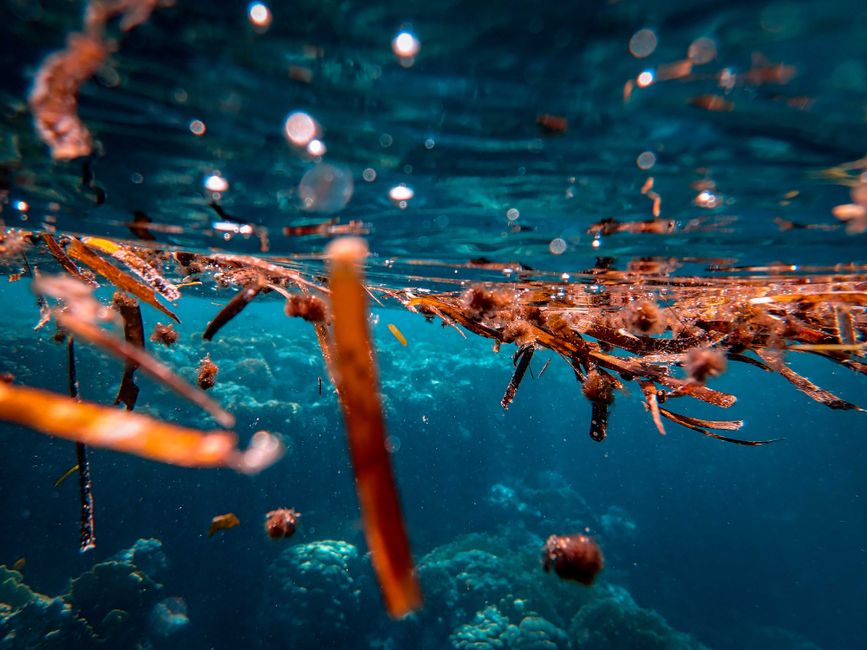
The vast, dimly lit expanses of the deep ocean have long been considered remote and pristine. Yet a growing body of research is revealing that human activities are leaving marks in the most unexpected places. Among these discoveries, the accumulation of microplastics in deep sea coral reefs has emerged as a significant concern. These tiny plastic particles, often invisible to the naked eye, are finding their way into the deepest parts of the ocean, where they interact with delicate coral communities that exist in near-total darkness and under immense pressure.
Recent studies have documented that deep sea corals are ingesting and accumulating microplastics at rates comparable to or even exceeding those observed in shallow-water reefs. This phenomenon raises questions about the broader health of these ecosystems, which serve as biodiversity hotspots and play a role in nutrient cycling. Understanding the pathways through which plastics reach these depths and the mechanisms by which corals incorporate them is essential for assessing long-term ecological consequences. While the full scope of the impact is still being investigated, the evidence already collected suggests that plastic pollution is not limited to coastal or surface environments.
This article explores what scientists have learned about the presence of microplastics in deep sea corals, how these particles affect coral physiology and the surrounding habitat, and what measures individuals and communities can consider to reduce plastic inputs into the ocean. The focus is on presenting current knowledge in a clear, evidence-based manner, without overstating conclusions that remain under investigation.
How Microplastics Reach Deep Sea Coral Habitats
Microplastics are generally defined as plastic fragments smaller than five millimeters in diameter. They originate from a variety of sources, including the breakdown of larger plastic debris, synthetic fibers from textiles, and microbeads from personal care products. Once released into the environment, these particles can travel long distances via currents, wind, and river systems. A significant portion eventually makes its way to the ocean, where surface currents and vertical mixing processes can transport them to great depths.
In the deep sea, the mechanisms of transport are not yet fully understood, but several pathways have been identified. One major route is through marine snow—the continuous shower of organic and inorganic material that falls from the upper layers of the ocean. Microplastics can attach to these particles or become incorporated into fecal pellets produced by zooplankton. As the marine snow descends, it carries the plastics down to the seafloor. Additionally, deep ocean currents can transport microplastics horizontally over vast distances, depositing them onto seamounts and continental slopes where cold-water corals thrive.
Another contributing factor is the sinking of plastic debris that has become biofouled—colonized by algae, bacteria, or other organisms. Biofouling increases the density of the plastic, causing it to sink more rapidly. This process can deliver larger plastic items to the deep sea, where they eventually fragment into microplastics. The combination of these transport mechanisms means that even remote deep sea coral reefs are exposed to a steady influx of plastic particles.
Effects of Microplastics on Coral Health and Physiology
Corals, both shallow and deep, are filter feeders that capture food particles from the water column using their tentacles and mucus nets. When microplastics are present in the surrounding water, corals often cannot distinguish them from natural prey. As a result, they ingest the particles. Laboratory studies have shown that once inside the coral’s digestive cavity, microplastics can cause physical abrasion, block the absorption of nutrients, and induce stress responses.
For deep sea corals, which already live in an environment with limited food availability, the energy cost of dealing with non-nutritive plastic particles can be significant. Corals may expel the plastics through regurgitation or incorporate them into their tissues, but both processes require metabolic energy. Over time, repeated exposure can lead to reduced growth rates, impaired reproduction, and increased susceptibility to disease. Some research has also detected microplastics embedded within the coral skeleton, suggesting that the particles may become permanently trapped as the coral grows.
Beyond individual coral health, microplastic accumulation may affect the symbiotic relationships that many deep sea corals maintain with microorganisms. While shallow corals rely heavily on photosynthetic algae, deep sea corals depend on chemosynthetic bacteria and other microbes for nutrition. The presence of microplastics could disrupt these microbial communities, potentially altering nutrient cycles and weakening the coral’s resilience. Although field studies on deep sea species are still limited, the patterns observed in shallow-water corals provide a basis for concern.
Broader Ecological Implications for Deep Sea Ecosystems
Deep sea coral reefs are not isolated structures; they form complex habitats that support a wide range of species, including fish, crustaceans, and echinoderms. The accumulation of microplastics in coral tissues could therefore have cascading effects throughout the food web. When corals are consumed by predators, the plastics may be transferred to higher trophic levels. This process, known as trophic transfer, has been documented in various marine food chains and is likely occurring in deep sea communities as well.
Additionally, the presence of microplastics may alter the physical structure of coral habitats. Corals provide three-dimensional complexity that creates refuge and feeding areas for other organisms. If coral growth is stunted or if colonies become weakened and break apart, the habitat value diminishes. The loss of habitat complexity could reduce biodiversity and affect population dynamics of commercially important species that rely on these deep sea environments during certain life stages.
Microplastics can also act as vectors for chemical pollutants. Plastics in the ocean tend to adsorb hydrophobic contaminants such as PCBs, pesticides, and heavy metals. When corals ingest these contaminated particles, they may be exposed to a cocktail of toxic substances. The combined effects of physical damage and chemical exposure are difficult to predict but may compound the stress on already vulnerable deep sea ecosystems. Researchers emphasize that these interactions are complex and depend on local conditions, including the types of plastics, the concentration of pollutants, and the health status of the coral community.
Current Scientific Methods for Studying Deep Sea Plastic Accumulation
Investigating microplastic pollution in deep sea corals presents unique challenges. The environments are difficult to access, requiring specialized submersibles or remotely operated vehicles (ROVs) to collect samples. Once samples are brought to the surface, scientists must carefully process them to avoid contamination, because the same particles they are looking for may be present in the air or on equipment. Standard protocols involve rinsing coral samples with filtered water, digesting organic material with chemicals, and then filtering the remaining residue to identify plastic particles under a microscope.
Chemical analysis, such as Fourier-transform infrared spectroscopy (FTIR) or Raman spectroscopy, is then used to confirm the polymer type of each particle. This information helps researchers trace the origin of the plastics and understand which materials are most prevalent in deep sea environments. Recent studies have found that the most common polymers in deep sea corals include polyester, polyethylene, and polyamide—materials often used in clothing and packaging. The presence of these specific polymers aligns with global production and disposal patterns.
Field surveys are complemented by laboratory experiments in which corals are exposed to controlled concentrations of microplastics. These experiments allow scientists to observe uptake rates, physiological responses, and potential recovery mechanisms. While laboratory conditions cannot fully replicate the complexity of the deep sea, they provide valuable insights that help interpret field observations. As technology improves, researchers hope to deploy long-term monitoring systems that can track plastic deposition and coral health over time, offering a clearer picture of trends and thresholds.
Steps Individuals and Communities Can Consider
Addressing the issue of microplastic accumulation in deep sea corals requires action at multiple levels, from individual behavior to international policy. On a personal level, reducing the use of single-use plastics is one of the most direct ways to limit the amount of plastic entering the environment. Choosing reusable bags, bottles, and containers, as well as selecting clothing made from natural fibers, can help decrease the overall plastic footprint. Proper disposal of waste and participation in local recycling programs also reduce the likelihood that plastics will reach waterways.
Supporting organizations that conduct research and advocacy on ocean plastic pollution is another avenue. Groups that focus on marine conservation often fund scientific expeditions and public education initiatives. By donating or volunteering, individuals can help expand the knowledge base needed to inform effective solutions. Additionally, staying informed about policy developments and voting for legislation that targets plastic production and waste management can drive systemic change.
On a community level, participating in beach or river cleanups prevents larger plastic debris from breaking down into microplastics. Raising awareness among friends, family, and local businesses about the long-range transport of plastics helps foster a culture of responsibility. It is important to recognize that while individual actions matter, they must be coupled with broader industrial and governmental efforts to significantly reduce the flow of plastics into the ocean. The deep sea coral reefs, hidden from view, remind us that the consequences of plastic pollution are not always visible, but they are present and measurable.